3 Misconceptions About Aquaculture
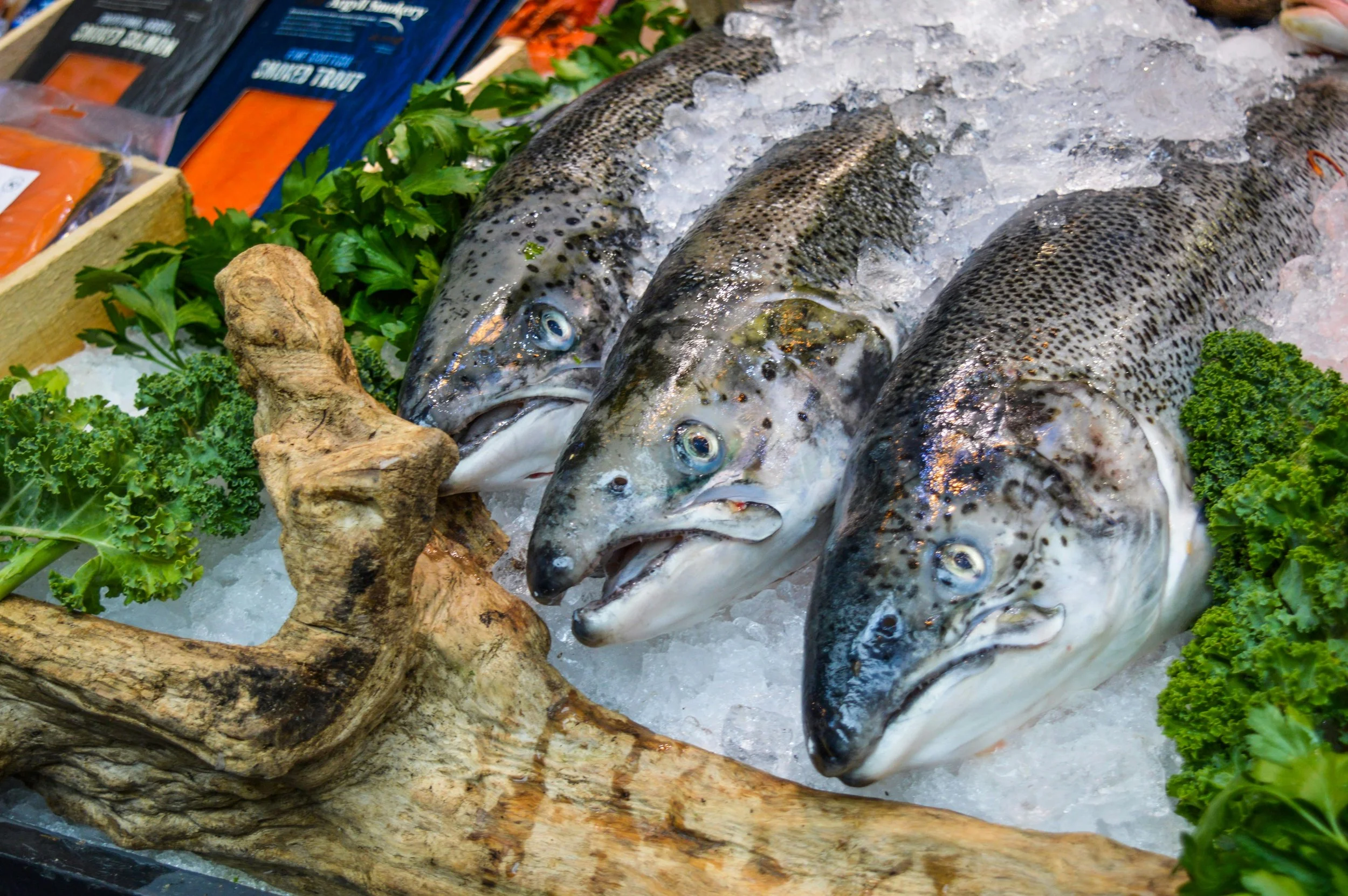
Image Courtesy of Gotta Be Worth It / Pexels
Do You Believe These Common Myths About Fish Farming?
Now that more than 50% of the world’s seafood consumption comes from aquaculture, there has been an increase in awareness, interest, and scrutiny of the fish farming industry. It’s human nature to want to know where your food comes from, so a little bit of extra attention on a topic you’re unsure about is certainly understandable.
The concept of raising fish for food and other products has been around for centuries. The earliest evidence we have is from ancient Aboriginal, Chinese, Egyptian, Roman, and Hawaiian communities farming eels, carp, bream, oysters, and seaweed respectively. The modern forms of aquaculture really began in the mid to late 1900s, and thankfully, there have been many improvements to make the industry more sustainable and environmentally-aligned since then. Unfortunately, there are a few misconceptions that are still believed today that likely have roots in this early aquaculture period.

Image Courtesy of Art Institute of Chicago / Unsplash
1. Farmed Fish Are Unsafe to Eat
The short answer to this misconception is that farmers aren’t interested in producing bad products. It doesn’t benefit them for their fish to be diseased or malnourished; that would actually harm them a great deal for a number of reasons. Take a cattle rancher, they want their cows to be the best quality possible which entails aspects like the feed and living conditions being top notch.
The long answer to this misconception is that modern aquaculture involves continuous control over food and water quality, regular tests and inspections, and strict seafood safety standards. NOAA (the National Oceanic and Atmospheric Administration) even states that, “From a seafood safety standpoint, the U.S. laws governing the harvest and processing of seafood for human consumption are among the most stringent in the world. Buying U.S.-grown farmed fish and shellfish guarantees that your seafood meets rigorous state and federal standards and supports American jobs.”
Fish in particular are extremely specific animals when it comes to their ideal living environment. Many of them require exact temperatures, salinities, pH levels, and more to thrive or even survive. Because of this, most aquaculture facilities have around the clock monitoring, whether in the form of remote technology, onsite human supervision, or both.
Salmon, a highly popular fish both for its taste and for its health benefits, is a prime example of this. Atlantic Sapphire, the world’s largest RAS (recirculating aquaculture system) salmon producer, operates right here in Florida and is at the forefront of sustainable salmon stewardship. Their “Bluehouse” has “complex controls for water chemistry, temperature, salinity, current and even lighting. Water is recycled every half- hour and removed every 10 days, and precise amounts of oxygen must be added and carbon dioxide extracted.” This kind of technical oversight ensures that only the best quality fish are produced.
2. Aquaculture Requires More Fish Than It Produces
This myth was most likely true at one point, but research and innovation have allowed industry practices to evolve and change this by a drastic measure. It is now widely accepted that for every half ton of wild fish consumed by aquaculture, there is one whole ton of farmed fish produced.
Further improvements in the field have focused on diversifying the diets of farmed fish to lessen the impact on natural fish populations. Instead of relying on traditional fishmeal and fish oil, there are more options available to farmers like algae/seaweed, fish trimmings, and other plants. This variety allows for fish to get all the nutrients they need while not depleting our natural resources that are the smaller, pelagic fish. The driving force behind aquaculture is sustainability, so if it were taking more fish to produce farmed products, that certainly wouldn’t meet the sustainability standard.
3. Fish Farming Pollutes the Environment
This misconception can also be linked to a shred of historic truth, but thanks to modern advancements, farmers are more than able to run an environmentally friendly operation.
There are two types of pollution to consider: waste and invasive species.
Waste would be things like uneaten feed and fish poop. This form of pollution is managed differently based on what kind of aquaculture system is in place. For example, net pens mimic the natural environment, and with both types of waste being biodegradable, the surrounding aquatic area takes care of it. For on-shore recirculating tank systems, there are treatment processes in effect to ensure that no harmful pollutants are entering surrounding waterways or land.
Invasive species become an issue when dealing with fish escapees or intentional releases. Intentionally releasing non-native species is never okay. Accidents concerning fish escaping nets or ponds have happened, but updates to best practices have greatly improved this issue. Farmers often use cameras and/or divers to inspect their structures along with advanced containment techniques. There has also been research on producing triploid (sterile) fish, so that in the case of an escape, they aren’t able to reproduce in the wild.
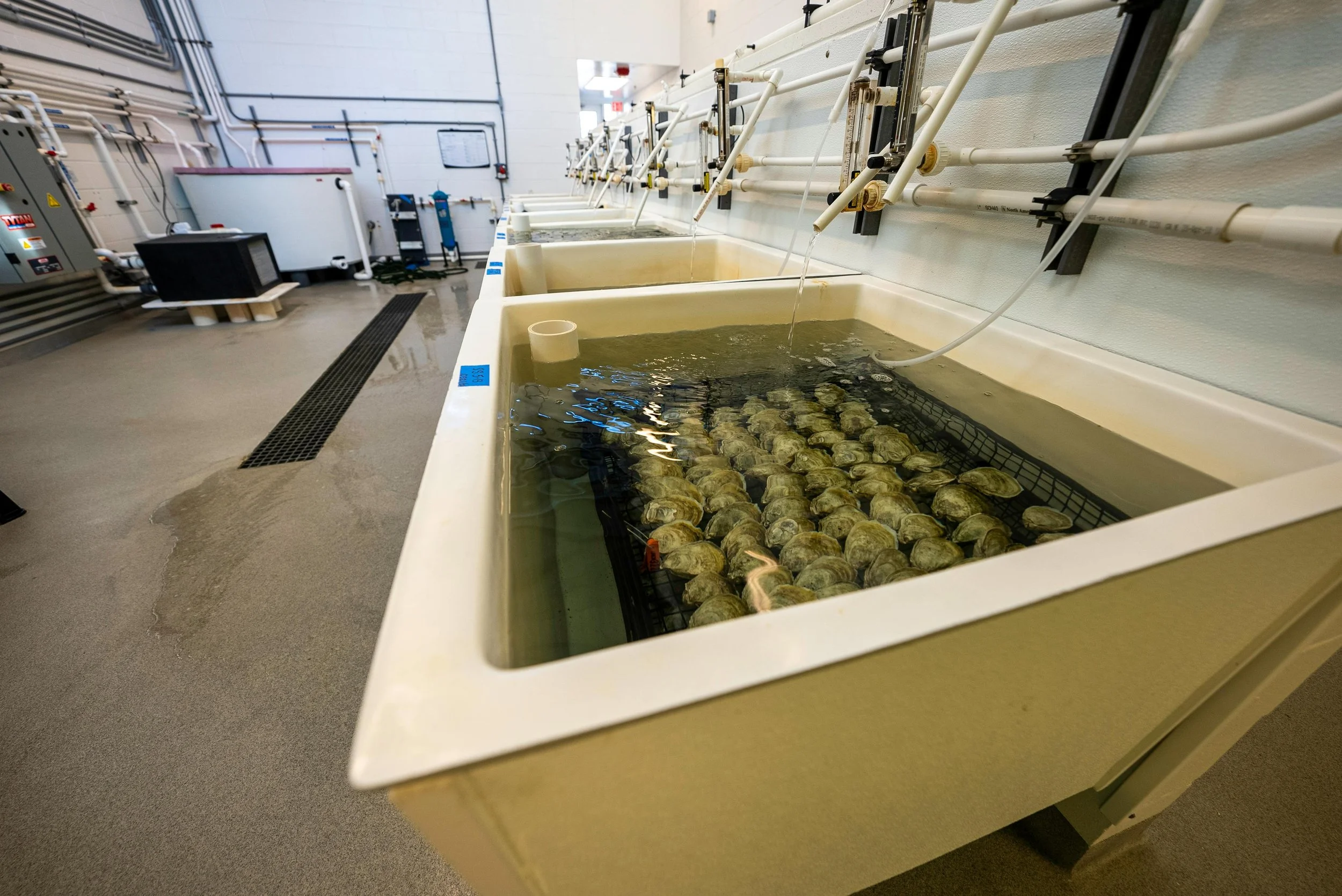
Image Courtesy of Mark Stebnicki / Pexels
Aquaculture Misconceptions Debunked
Modern technology and field-specific research have allowed the aquaculture industry to become more sustainable than ever. Oftentimes, time and attention to detail is all that’s needed to make something better (think of your grandma’s perfectly curated recipe book). Aquaculture is no different. While the industry’s beginnings may have been rooted in good intentions, there is a reason why farmers follow modern best practices rather than ancient ones.